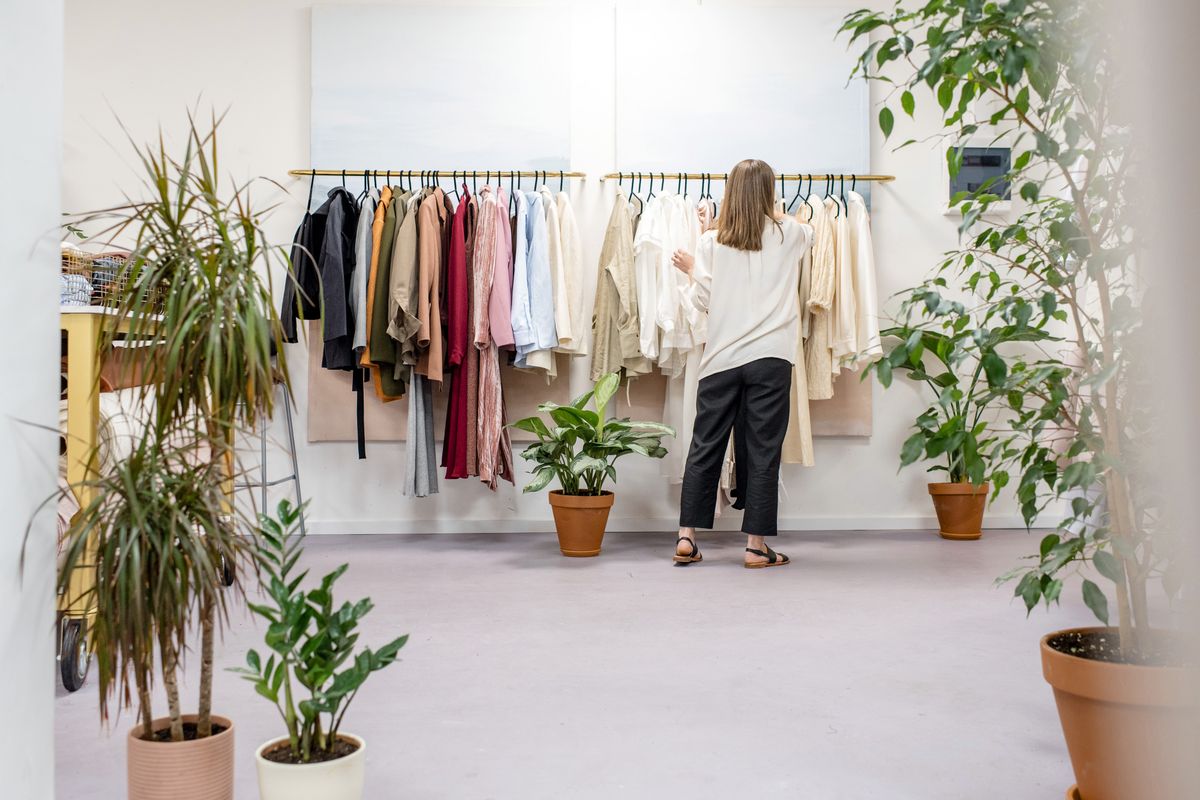
Six months ago, a mid-sized apparel brand would have budgeted $8,000 to $15,000 for a single product video shoot — studio rental, photographer, models, lighting crew, and days of post-production. Today, that same brand can generate a comparable video in under an hour for a fraction of the cost, using nothing but a product photo and an AI video generator. This shift isn’t a distant forecast anymore. It’s happening across e-commerce catalogs right now, and it’s forcing marketing teams to rethink what “production value” even means.
The Economics Are Impossible to Ignore
Traditional product photoshoots have always been a fixed-cost bottleneck. A brand launching 40 SKUs in a season might spend $200 to $500 per product just to get usable stills, before video is even factored in. Add motion content — lifestyle b-roll, 360-degree spins, model try-ons — and costs can double or triple. Turnaround times stretch from days to weeks once you factor in scheduling models, booking studios, and waiting on editors.
AI product video tools collapse that timeline dramatically. Platforms built for e-commerce sellers now let merchants upload a single flat-lay image and generate a short video showing the product in motion, on a model, or in a styled environment, often within minutes. Some tools even generate multiple variations for A/B testing at no additional marginal cost. When you’re testing ad creative across five audience segments, that flexibility is worth far more than the video itself.
Where AI Video Is Already Replacing the Studio
The apparel and print-on-demand space has been the earliest and most aggressive adopter. Etsy sellers and small DTC brands who could never justify hiring a photographer are now producing catalog-quality visuals entirely in-house. Tools like a free AI hoodie mockup generator for Etsy and print-on-demand sellers let sellers place a design on a realistic model instantly, which has become a natural bridge into short-form video content — many sellers now animate these mockups into simple turntable or zoom clips for TikTok Shop and Instagram Reels.
This matters because static mockups were already disrupting the need for physical samples. The next logical step — animating those mockups — removes the remaining gap between “AI-generated image” and “traditional video shoot.” A seller can go from design file to a scroll-stopping product video without ever touching a camera or shipping a sample garment to a model.
- Fashion and apparel: Virtual try-on videos generated from flat product shots, cutting sampling costs entirely.
- Beauty and skincare: AI-generated demo videos showing texture and application without hiring UGC creators for every SKU.
- Home goods: Room-context videos generated from a single product render, replacing full lifestyle shoots.
- Electronics and accessories: 360-degree rotation videos built from three or four still angles instead of a turntable rig.
Quality Gaps Are Closing Faster Than Expected
Early AI video tools produced obviously synthetic results — uncanny model movements, warped fabric, inconsistent lighting between frames. That’s changed considerably over the past year. Newer models handle fabric drape, skin tones, and lighting consistency well enough that many brands report customers can’t distinguish AI-generated product videos from traditionally filmed ones in a scroll-speed feed.
That doesn’t mean AI video is a universal replacement yet. Hero shots for a homepage, or campaign content meant to build brand identity, still benefit from human direction and real photography. The clearest ROI shows up in the “long tail” of content: the hundreds of secondary product variants, seasonal colorways, and catalog SKUs that never justified a full shoot budget in the first place. This is precisely the content that used to get skipped entirely, leaving listings with a single static image and a noticeably lower conversion rate.
What This Means for Marketing Budgets
Reallocating photoshoot budgets toward AI tooling and paid distribution is becoming standard practice for lean e-commerce teams. A brand that previously spent $12,000 producing videos for a product line can now spend a few hundred dollars on AI generation tools and redirect the remaining budget into ad spend or influencer partnerships — channels with more measurable, immediate return. This pattern of reallocating creative spend toward performance channels has been covered in depth by Clever Fashion Media, which has tracked how apparel brands are restructuring entire marketing budgets around AI-generated visual content.
For teams managing this transition, the practical advice is straightforward: audit your catalog and identify which SKUs currently have no video content at all. Those are the easiest wins. Start there before touching hero campaign assets, and measure conversion lift on product pages before scaling the approach across the full catalog.
The Photoshoot Isn’t Dead — It’s Being Redefined
Traditional photography and video production aren’t disappearing; they’re being reserved for the content that truly needs a human eye — brand campaigns, flagship launches, and anything requiring real emotional nuance. Everything else, the bulk of a modern e-commerce catalog, is migrating toward AI-generated visuals because the cost and speed advantages are too significant to ignore. Brands that adapt their workflows now, treating AI video as a default rather than an experiment, will have a meaningful head start over competitors still booking studio time for every SKU.