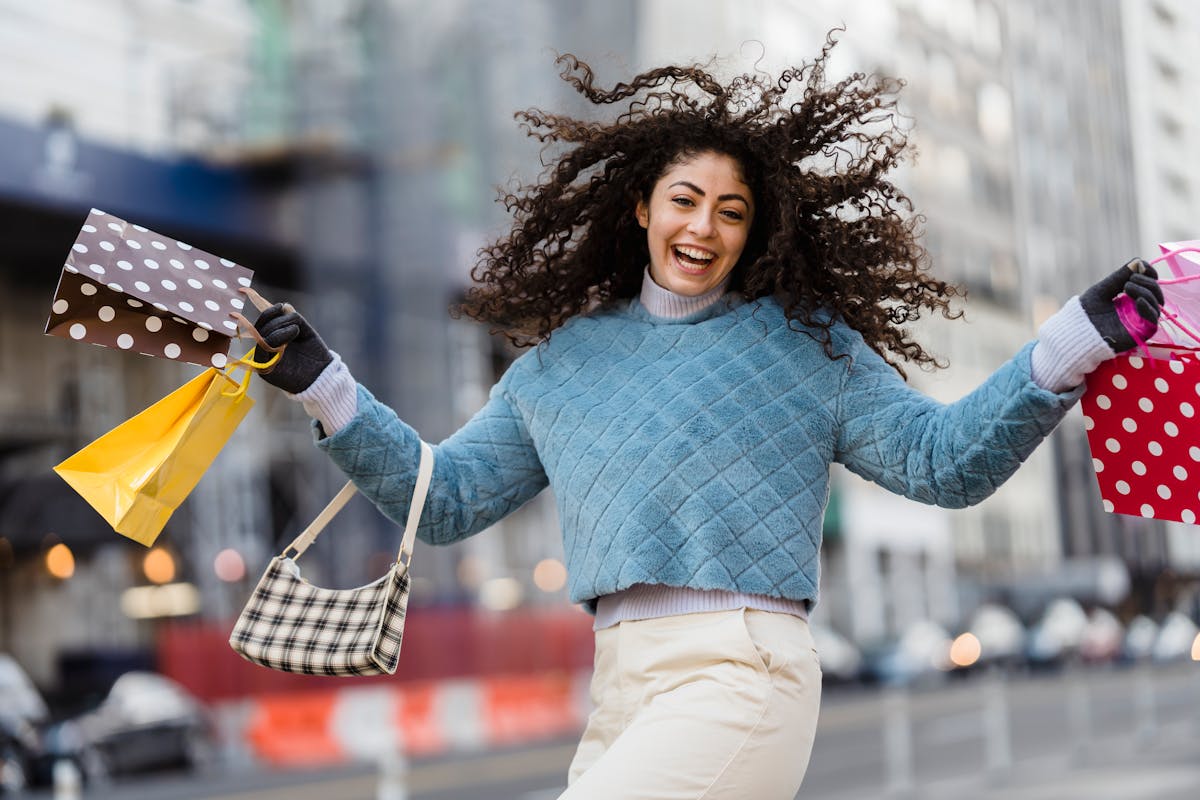
The traditional product photography model is breaking down for online retailers. Where businesses once invested thousands in studio shoots, professional photographers, and extensive post-production work, artificial intelligence is delivering comparable results at a fraction of the cost. But beyond the obvious expense savings, AI product photography is reshaping how e-commerce stores approach visual marketing, inventory management, and customer conversion optimization.
The Numbers Behind the Shift
Consider the economics of traditional product photography. A mid-sized apparel retailer typically spends between $50-200 per product for professional photography, including model fees, studio rental, photographer rates, and editing costs. For a store with 500 SKUs launching seasonal collections quarterly, that translates to $100,000-400,000 annually in photography expenses alone.
AI-powered solutions have reduced these costs by 70-85% in documented case studies. More importantly, the speed advantage allows retailers to test products and variations that would have been cost-prohibitive under traditional models. Instead of committing to expensive shoots for unproven products, stores can generate high-quality mockups within hours and iterate based on actual performance data.
Case Study: Print-on-Demand Revolution
The most dramatic ROI improvements appear in print-on-demand and custom merchandise sectors. Sarah Chen, founder of indie apparel brand Midnight Canvas, reduced her pre-launch photography costs from $15,000 to under $2,000 by switching to AI-generated mockups for initial product testing.
“We used to photograph 20-30 designs knowing only 3-4 would actually sell well,” Chen explains. “Now we can test 100 design variations with realistic model photography and only invest in professional shoots for proven winners.” Her conversion rates increased 23% because customers could visualize products more effectively, while her cost per acquisition dropped 40% due to reduced upfront investment.
Tools like PixelPanda’s free AI t-shirt mockup generator with real-looking models have democratized this approach for smaller sellers who previously relied on flat product images or couldn’t afford model photography at all.
Beyond Cost Savings: Speed and Testing Advantages
The real ROI extends beyond direct cost comparisons. AI product photography enables rapid A/B testing of visual elements that would be impossible with traditional methods. Retailers can now test multiple model demographics, backgrounds, styling approaches, and product angles simultaneously.
Luxury home goods retailer Meridian Living implemented AI photography for seasonal catalog updates and reduced their time-to-market from 6 weeks to 8 days. This acceleration allowed them to capitalize on trending colors and styles while competitors were still in production phases. Their seasonal revenue increased 31% year-over-year, largely attributed to faster market responsiveness.
Inventory and Variation Management
One unexpected benefit emerged in inventory planning. Because AI photography eliminates the need to physically produce items for photo shoots, retailers can test market response to products before manufacturing. This approach has reduced unsold inventory by an average of 18% among early adopters, as reported by Green Stock Media in their comprehensive analysis of AI adoption in retail.
Electronics retailer TechForward uses AI-generated lifestyle images to test different use cases and demographic targeting for the same products. Their data showed that wireless earbuds photographed with fitness models converted 47% better for their sports-oriented email segments, while the same product shown in office environments performed 32% better for their professional audience.
Implementation Challenges and Solutions
The transition isn’t without obstacles. Quality control remains crucial, as AI-generated images can sometimes produce unrealistic results or brand inconsistencies. Successful retailers establish clear brand guidelines and quality checkpoints before deploying AI photography at scale.
Integration with existing workflows also requires planning. Most e-commerce platforms and product information management systems weren’t designed for AI-generated content workflows. Retailers achieving the best ROI typically start with specific product categories or testing phases rather than wholesale replacement of existing photography.
Measuring True ROI
Calculating AI photography ROI requires looking beyond simple cost-per-image metrics. Key performance indicators include:
- Reduced time-to-market for new products
- Increased testing capacity for product variations
- Improved conversion rates from enhanced visual content
- Decreased inventory waste from better market testing
- Expanded market reach through demographic-specific imagery
Companies tracking these broader metrics report ROI improvements ranging from 200-450% within the first year of implementation, significantly higher than the 70-85% cost savings would suggest in isolation.
The Strategic Advantage
AI product photography represents more than a cost optimization tool—it’s becoming a competitive differentiator. Retailers can now respond to market trends, test new concepts, and personalize visual content at speeds that transform how they approach product development and marketing. The stores achieving the highest ROI treat AI photography not as a replacement for traditional methods, but as an expansion of their visual marketing capabilities. Early adoption provides advantages in market responsiveness, testing capacity, and customer personalization that compound over time, making AI photography investment one of the clearest positive ROI decisions in modern e-commerce operations.